


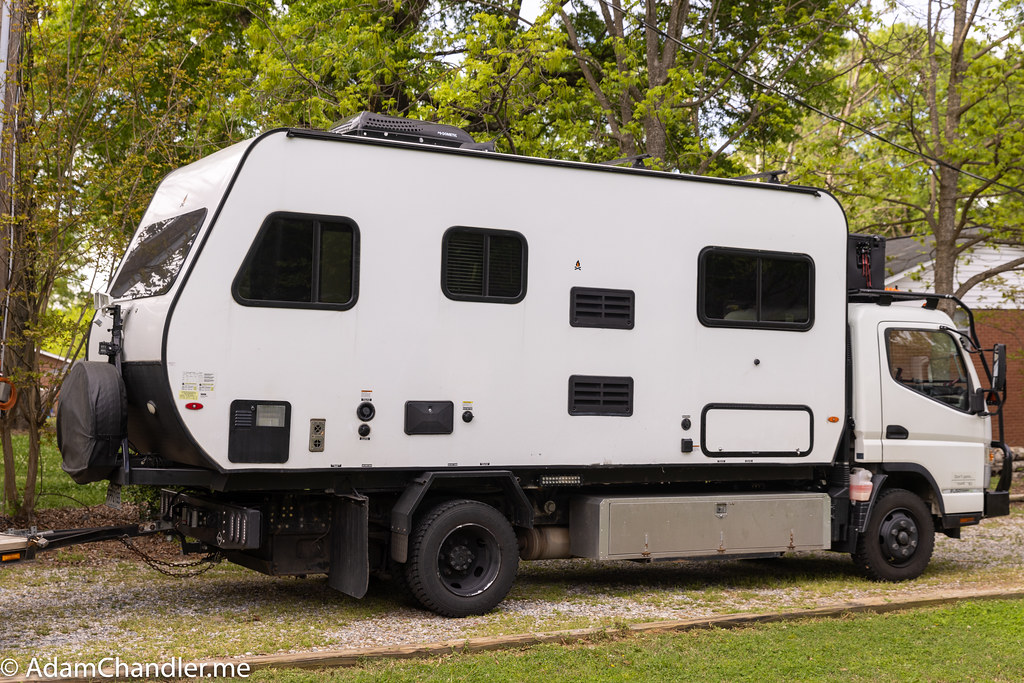
Solar Panel Setup Guide: Maximizing Power Generation for Your Overlanding Rig
Solar Panel Setup Guide: Maximizing Power Generation for Your Overlanding Rig
Setting up an efficient solar power system for your overlanding vehicle requires careful planning and consideration of various factors to ensure optimal performance during your adventures. The key to a successful solar installation begins with understanding your power requirements and selecting the appropriate components for your specific needs.
First and foremost, calculating your daily power consumption is essential before investing in solar equipment. This involves listing all your electrical devices and their respective power draws, including refrigerators, lighting, charging devices, and any other accessories you plan to use. Once you have determined your power needs, you can proceed with selecting the appropriate solar panel capacity, which should typically exceed your daily requirements by 20% to account for inefficiencies and weather variations.
When choosing solar panels, consider both rigid and flexible options. Rigid panels generally offer better efficiency and longevity, while flexible panels provide more mounting versatility and are lighter in weight. Most overlanders opt for monocrystalline panels due to their superior efficiency and performance in varying light conditions. The panels should be mounted at an angle that maximizes exposure to sunlight, typically between 30 and 45 degrees, with the ability to adjust the angle based on your geographical location and the season.
The solar charge controller is another crucial component of your setup, serving as the intermediary between your panels and batteries. MPPT (Maximum Power Point Tracking) controllers are recommended over PWM (Pulse Width Modulation) controllers due to their higher efficiency and better performance in varying conditions. The controller should be sized appropriately for your system, considering both current input from the panels and output to the batteries.
Proper wiring is essential for maintaining system efficiency and safety. Use appropriately sized cables to minimize power loss, ensuring they are properly rated for your system’s voltage and current requirements. All connections should be weather-sealed and secured to prevent damage from vibration during off-road travel. Additionally, installing a battery monitor will help you track power consumption and generation in real-time.
The mounting location of your solar panels significantly impacts their performance. Ideally, panels should be positioned to avoid shade from roof racks, awnings, or other equipment. Some overlanders prefer a tilting mount system that allows panels to be adjusted for optimal sun exposure when parked. This flexibility can increase power generation by up to 25% compared to flat-mounted panels.
Regular maintenance is crucial for maintaining system efficiency. Clean your panels periodically to remove dust, dirt, and debris that can reduce their effectiveness. Inspect all connections and mounting hardware regularly, as off-road vibrations can loosen components over time. Keep a basic toolkit and spare parts for emergency repairs during your adventures.
Finally, consider implementing a backup power solution, such as a portable solar panel or generator, for emergencies or extended periods of low sunlight. This redundancy ensures you’ll have access to power when needed most. By following these guidelines and maintaining your system properly, you can create a reliable solar power setup that will serve your overlanding needs effectively, allowing you to explore remote locations while maintaining the comforts of modern amenities.
Portable Battery Banks and Power Stations: Choosing the Right Size for Extended Travel
Portable Battery Banks and Power Stations: Choosing the Right Size for Extended Travel
When embarking on extended overland adventures, having reliable access to electrical power is crucial for maintaining essential devices and equipment. Portable battery banks and power stations serve as the backbone of mobile power solutions, but selecting the appropriate capacity requires careful consideration of various factors and usage patterns.
The first consideration in choosing a portable power solution is understanding your daily power consumption needs. This involves calculating the power requirements of all devices you plan to use, including smartphones, laptops, cameras, GPS units, and any additional equipment specific to your journey. To determine your power needs, multiply each device’s wattage by the number of hours you expect to use it daily, then add these figures together to get your total daily power consumption in watt-hours (Wh).
Modern portable power stations typically range from 200Wh to 2000Wh or more, while smaller battery banks are usually rated in milliamp-hours (mAh), commonly ranging from 10,000mAh to 50,000mAh. For extended travel, it’s advisable to select a unit with at least 25% more capacity than your calculated daily needs to account for inefficiencies and unexpected power demands.
The duration of your trips between charging opportunities also plays a vital role in sizing your power solution. If you plan to be off-grid for several days, you’ll need sufficient capacity to sustain your power needs throughout this period. Additionally, consider that most portable power stations can be recharged through multiple methods, including solar panels, vehicle alternators, or standard AC outlets when available.
Weight and portability factors should not be overlooked, as larger capacity units typically come with increased size and weight. For vehicle-based travel, this may be less of a concern, but it’s essential to balance power capacity with practical storage and handling considerations. Modern lithium-ion based power stations offer the best power-to-weight ratio, though they come at a premium compared to traditional lead-acid alternatives.
Another crucial aspect is the type and number of output ports available on the power station. Ensure the unit you select has appropriate connections for all your devices, including AC outlets, USB ports (both Type-A and Type-C), and 12V DC outputs. Some advanced models also feature regulated 12V outputs specifically designed for powering portable refrigerators and other sensitive equipment.
When considering long-term reliability, look for units with built-in protection features such as over-voltage, over-current, and temperature protection. These safeguards help prevent damage to both the power station and connected devices. Additionally, pure sine wave inverters are preferred over modified sine wave options for powering sensitive electronics and appliances.
The investment in a properly sized portable power solution pays dividends in terms of convenience and reliability during extended travel. While it may be tempting to opt for a smaller, less expensive unit, inadequate power capacity can lead to significant limitations and frustrations during your journey. Conversely, oversizing your power station unnecessarily adds weight and cost to your setup.
By carefully evaluating your power needs, considering usage patterns, and accounting for future requirements, you can select a portable power solution that provides reliable energy independence for your overland adventures while maintaining a practical balance between capacity, weight, and cost.
Dual Battery Systems: Installation and Management Tips for Off-Grid Living
Powering the Mobile Explorer: Energy Solutions for Overland Adventures
Dual Battery Systems: Installation and Management Tips for Off-Grid Living
Installing and managing a dual battery system is a crucial consideration for anyone serious about off-grid living and overland adventures. This sophisticated power management solution ensures that vehicle owners can maintain reliable power for both essential vehicle operations and auxiliary equipment without compromising either system’s performance.
The foundation of a successful dual battery setup begins with selecting the appropriate components. The primary battery, typically the original equipment manufacturer (OEM) starting battery, should remain dedicated to vehicle operations, while the auxiliary battery can be optimized for deep-cycle applications. When choosing the secondary battery, absorbed glass mat (AGM) or lithium-iron-phosphate (LiFePO4) technologies are particularly well-suited for this purpose, offering superior cycling capabilities and resistance to vibration compared to traditional lead-acid batteries.
A key component in any dual battery system is the battery isolator or DC-DC charger, which manages the charging relationship between the two batteries. Modern DC-DC chargers are especially advantageous as they can optimize charging profiles for different battery chemistries and protect against voltage fluctuations. These devices ensure that the starting battery maintains sufficient charge for vehicle operation while allowing excess charging capacity to be directed to the auxiliary battery.
The physical installation process requires careful planning and attention to detail. All wiring should be appropriately sized according to the maximum current draw anticipated, with high-quality marine-grade cables and terminals used throughout the system. Proper fusing is essential at both batteries and any major connection points to protect against potential electrical faults. Additionally, the auxiliary battery should be securely mounted in a well-ventilated location, protected from extreme temperatures and physical damage.
Monitoring systems play a vital role in managing dual battery setups effectively. Modern battery monitors can provide real-time information about voltage levels, current flow, and state of charge for both batteries. This data helps users make informed decisions about power consumption and charging needs, preventing excessive discharge that could damage the batteries or leave insufficient power for essential functions.
Temperature management is another critical consideration, particularly in extreme climates. Both excessive heat and cold can significantly impact battery performance and longevity. Installing batteries in well-ventilated areas away from heat sources, and potentially incorporating temperature sensors into the monitoring system, can help maintain optimal operating conditions.
Regular maintenance is essential for ensuring long-term reliability. This includes periodic inspection of all connections for corrosion or looseness, checking battery fluid levels in non-sealed batteries, and verifying proper operation of the charging system. It’s also important to keep detailed records of battery performance and maintenance activities to track any degradation over time.
For those incorporating solar charging capabilities, the dual battery system should be designed to accommodate this additional power source. A proper solar charge controller, compatible with the chosen battery chemistry and charging system, must be integrated into the overall power management strategy.
Understanding and implementing these installation and management principles will result in a reliable dual battery system that can support extended periods of off-grid living. With proper planning, quality components, and regular maintenance, this setup will provide the independence and reliability necessary for successful overland adventures while ensuring that vital vehicle systems remain protected and functional.
