


At Powersol, we’re excited to share our favorite solar system project ideas for DIY enthusiasts.
From simple phone chargers to advanced off-grid setups, solar projects offer a fun and rewarding way to harness clean energy.
In this post, we’ll guide you through essential components, beginner-friendly projects, and more complex installations.
Let’s explore how you can tap into the power of the sun and create your own sustainable energy solutions.
Essential Components for DIY Solar Projects
Solar Panels: The Foundation of Your System
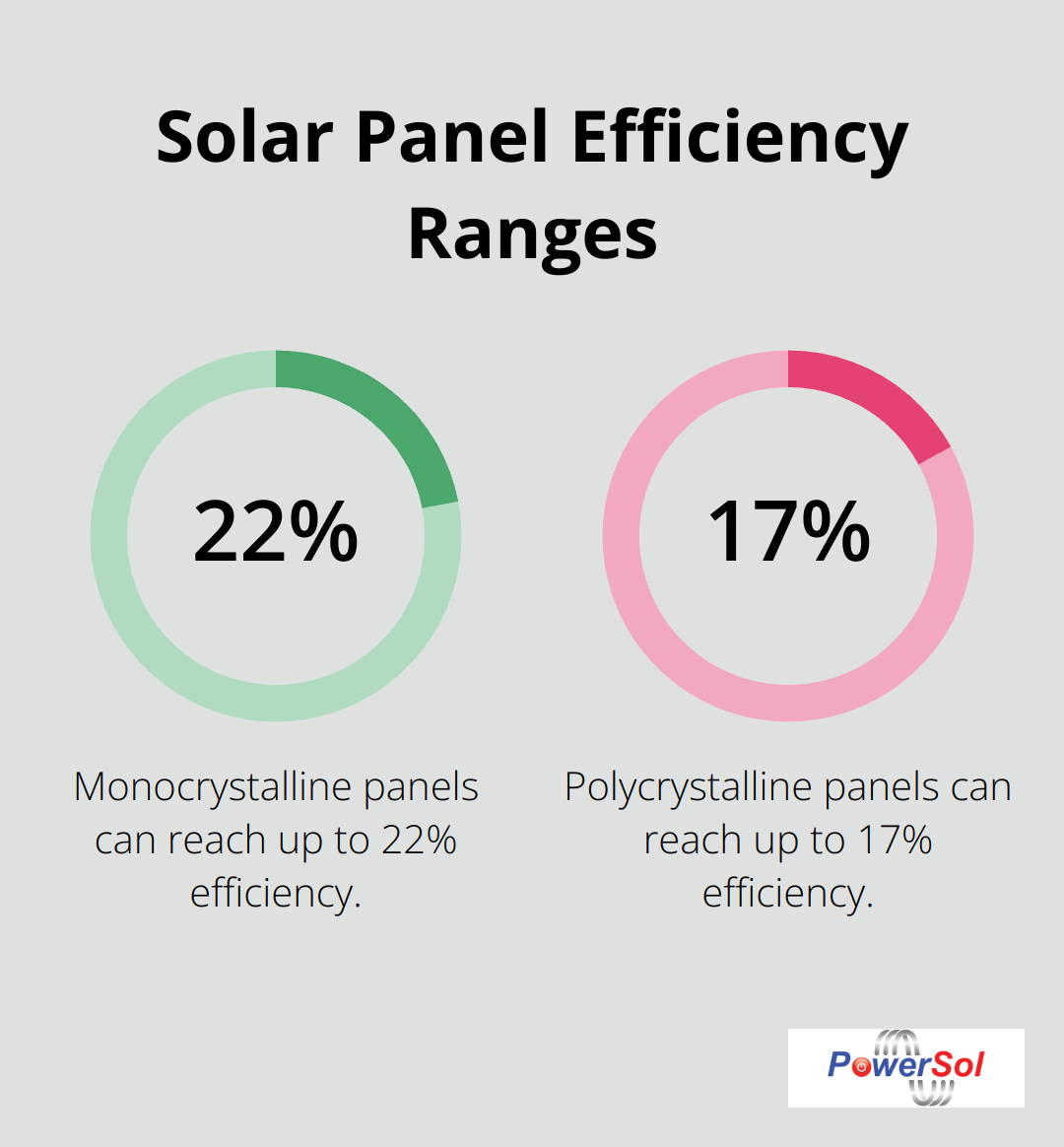
Solar panels form the core of any solar project. They come in two main types: monocrystalline (with an efficiency range from 17% to 22%) and polycrystalline (with an efficiency range from 15% to 17%). For most DIY projects, a 100W panel provides versatility for small applications while delivering noticeable impact.
Charge Controllers: Power Management Experts
Charge controllers protect batteries and ensure efficient charging. MPPT (Maximum Power Point Tracking) controllers increase the energy harvest from solar arrays by 5 to 30% compared to PWM (Pulse Width Modulation) controllers. Beginners often find a 10A PWM controller sufficient and cost-effective for small projects.
Inverters: DC to AC Conversion Masters
Inverters transform DC power from solar panels and batteries into AC power for household appliances. Pure sine wave inverters offer the cleanest power (compatible with sensitive electronics), while modified sine wave inverters cost less but may not work with all devices. A 1000W inverter typically powers multiple small appliances simultaneously.
Battery Storage: Energy Retention Solutions
Batteries store energy produced by panels for use during non-sunny periods. Lead-acid batteries offer affordability, while lithium-ion batteries last longer and perform better. A 100Ah deep-cycle battery provides enough capacity for most small to medium-sized projects.
Wiring and Connectors: The System’s Lifelines
Quality wiring and connectors ensure safety and efficiency. Most DIY projects benefit from at least 10 AWG wire, and MC4 connectors excel for solar panel connections due to their weather resistance and ease of use. Try to oversize your wiring slightly to account for voltage drop and future expansion.
When selecting these components, quality matters. Top-tier products from renowned brands (such as those offered by Powersol) ensure your DIY solar project stands on a solid foundation. High-quality components and proper planning create reliable and efficient solar power systems.
As we move forward, let’s explore some beginner-friendly solar projects that utilize these essential components, allowing you to start small and build your confidence in solar technology.
Easy Solar Projects for Beginners
Solar-Powered Phone Charger: Your First Step
A solar phone charger serves as an excellent entry point into solar energy. You need a small solar panel (5-10 watts), a USB charge controller, and a power bank. Connect these components to create a portable charger that powers your devices on the go. This project stands out for its simplicity and immediate utility.
Illuminate Your Garden with Solar Lights
Solar garden lights combine decoration and function. Create these using small solar panels, rechargeable batteries, LEDs, and weatherproof enclosures. Place them strategically in your garden to create ambient lighting that charges during daylight and illuminates your outdoor space at night. This project reduces electricity bills and adds eco-friendly charm to your landscaping.
Cool Your Space with Solar Power
A solar-powered ventilation fan improves air circulation in small spaces like sheds or greenhouses. You need a straight DC 12V fan and thermostat, which eliminates the need for an inverter running 24/7. This setup can extend your battery run times on cloudy days. It maintains air quality without increasing energy consumption.
Harness Solar Heat for Water
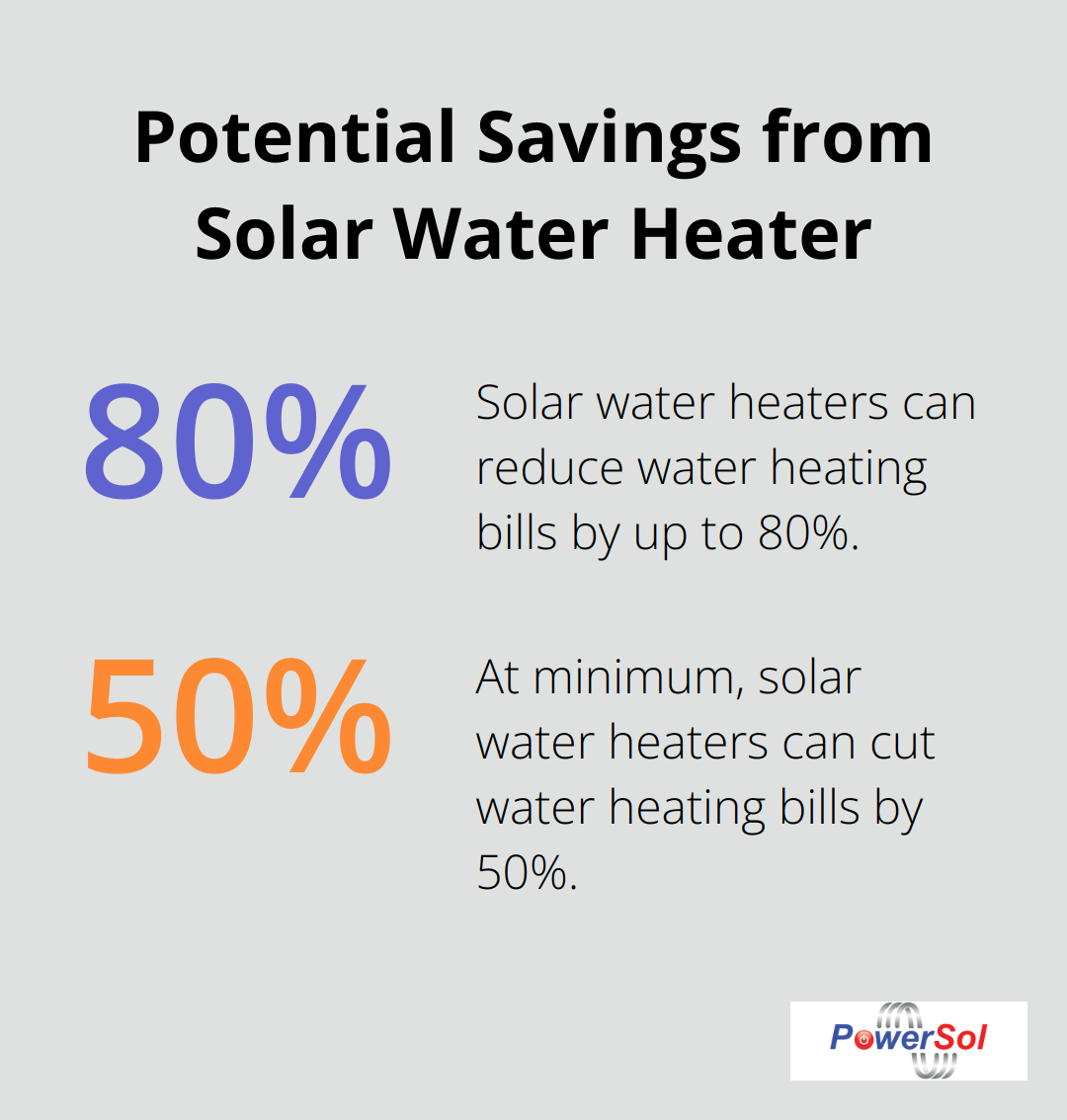
A solar water heater, while more complex, offers a rewarding DIY experience. A comprehensive installation guide can help you cut your water heating bills by 50-80% while reducing your carbon footprint. This system preheats water for your home, potentially providing significant savings on your energy costs.
Safety should always come first when you tackle these projects. Insulate electrical connections properly and use appropriate protective gear. Start with smaller projects to build confidence and understanding before moving to more complex systems.
These beginner-friendly projects act as stepping stones into the world of solar energy. They provide hands-on experience with solar components and showcase tangible benefits from your efforts. As your comfort with these basics grows, you’ll find yourself ready to take on larger, more advanced solar installations. Let’s explore some of these advanced projects in the next section.
Tackling Advanced Solar Projects
Advanced solar projects challenge DIY enthusiasts to maximize energy independence and sustainability. These projects demand careful planning, deep understanding of solar technology, and significant investment. The rewards, however, can be substantial in energy savings and personal satisfaction.
Off-Grid Solar for Mobile Living
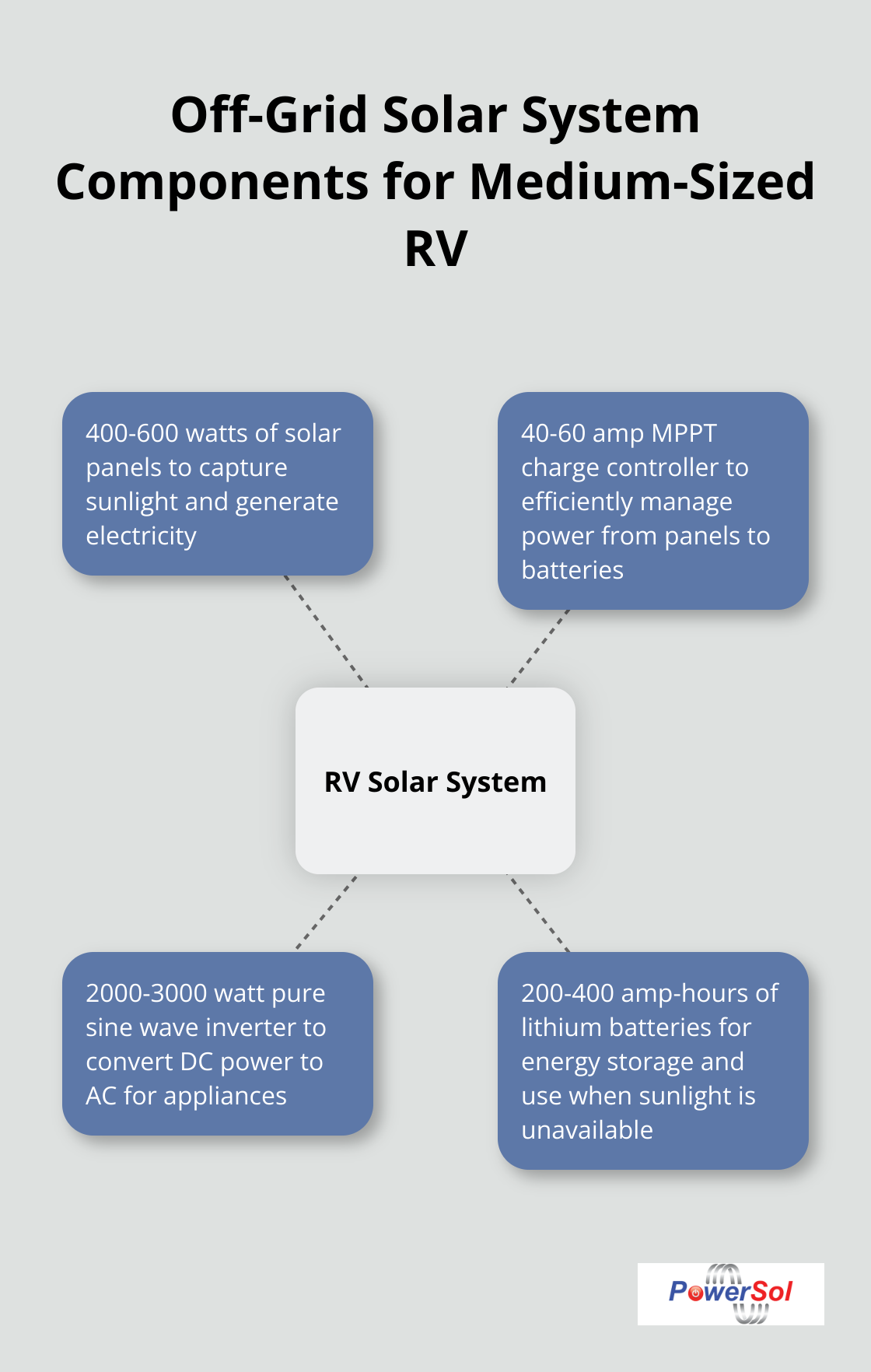
An off-grid solar system for RVs or boats transforms travel and water-based living. A typical system for a medium-sized RV includes:
- 400-600 watts of solar panels
- 40-60 amp MPPT charge controller
- 2000-3000 watt pure sine wave inverter
- 200-400 amp-hours of lithium batteries
This setup powers essential appliances and electronics, freeing you from shore power or generators.
Design your system based on a thorough power audit. List all devices and their power consumption. Add 20% to your estimate to account for inefficiencies and future expansion. High-efficiency panels often prove worth the extra cost, especially given limited roof space.
Automating Garden Care with Solar
A solar-powered irrigation system combines water conservation with energy efficiency. This project can be designed for sustainable urban agriculture, such as rooftop cultivation of plants like peppermint. The system typically requires:
- Solar panels
- Water pump
- Charge controller
- Battery (for cloudy days)
- Timer or soil moisture sensors
Calculate your garden’s water needs based on plant types, soil conditions, and local climate. Design your system to deliver water efficiently, factoring in water pressure and drip emitter flow rates.
Powering Your Home with the Sun
Grid-tied home solar installations represent the pinnacle of residential solar projects. While regulations often require professional installation for grid connection, DIY enthusiasts can still contribute significantly to planning and partial installation.
Analyse your home’s energy consumption (utility companies often provide detailed usage data). To offset your energy use, you’ll need to determine the appropriate system size based on your location and solar resources.
Roof orientation and shading play critical roles. South-facing roofs (in the Northern Hemisphere) typically yield the best results. Use online solar calculators or software to estimate potential production based on your location and system size.
DIY enthusiasts can handle tasks like site assessment and basic wiring. However, work with certified professionals for final grid connection and permitting to ensure safety and compliance with local regulations. The planning and sizing of a grid-connected PV system involves several necessary steps, which should be carefully followed.
These advanced solar projects push DIY skills to the limit while creating systems that can power lives for decades. They offer unparalleled opportunities for energy independence and sustainability.
Final Thoughts
Solar system project ideas offer countless opportunities for DIY enthusiasts. These projects range from simple phone chargers to complex home installations, providing energy savings and increased self-sufficiency. Safety and proper planning are essential when working with solar technology, so always use appropriate protective gear and follow manufacturer guidelines.
We recommend starting with beginner-friendly projects like solar-powered garden lights before progressing to more advanced setups. This approach allows you to build expertise while minimising risks. Numerous resources are available for those who want to explore more solar systems project ideas, including online forums and local workshops.
Powersol supports your solar journey with high-quality components and expert advice. Our product range ensures you have access to reliable and efficient solar technology for your projects. Grab your tools, harness the power of the sun, and start creating your own sustainable energy solutions today.
